Singapore Specialized Engineering Pte Ltd.
(BCA Registered Contractor)

Thermoplastic yellow box
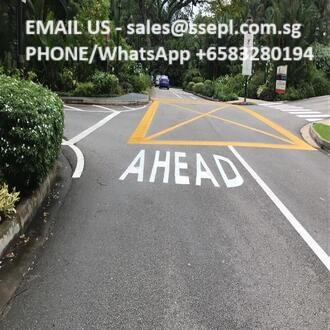
Thermoplastic yellow box junction application—encompassing surface scarification, high-tack resin priming, CAD layout plotting, precision molten thermoplastic extrusion, retroreflective glass bead broadcasting, and high-contrast criss-cross hatching—is a crucial civil surface engineering service for major road intersections, commercial building aprons, fire engine access bays, and multi-storey car park exits across Singapore. Deployed across Land Transport Authority traffic junctions, bus interchange exits, emergency response vehicle bays, container terminal aprons, and commercial driveway accesses, professional thermoplastic applicators install high-visibility, wear-resistant yellow keep-clear box markings. Yellow box junctions face relentless multi-directional tire shear, heavy axle loads, continuous vehicle braking, standing rainwater pooling, and intense tropical solar exposure. Standard cold-applied paints under these harsh, high-turnover conditions rapidly degrade, chip, peel, or fade, leading to gridlock at junctions, compromised emergency vehicle access, and non-compliance with traffic regulations. Executed in strict compliance with Land Transport Authority Standard Details of Road Elements, Building and Construction Authority guidelines, Workplace Safety and Health regulations, and Singapore Standard SS589 for thermoplastic road marking materials, expert thermoplastic yellow box application delivers exceptional bond strength, rapid tack-free curing, bright UV-stable yellow contrast, and high pendulum slip resistance. Utilizing specialized melt kettles, hand-screed applicators, motorized line stripers, and premium synthetic resin binders, Singapore Specialized Engineering Pte Ltd is a leading Thermoplastic Yellow Box Junction Contractor In Singapore, delivering precision surface demarcation and traffic management solutions islandwide.
What is a Thermoplastic Yellow Box Junction Marking System?
A thermoplastic yellow box junction marking system utilizes solvent-free synthetic polymer resin compounds applied at molten temperatures to create high-build, flexible, and wear-resistant diagonal yellow hatch lines and perimeter boundary lines over asphalt and concrete pavements.
Synthetic Resin Binders: Hydrocarbon or alkyd polymer resins heated to liquid state that solidify rapidly upon cooling, forming a tenacious mechanical bond with bituminous asphalt and rigid concrete substrates.
UV-Stable Yellow Pigments: Premium lightfast yellow pigments engineered to provide maximum visual prominence against dark pavement, resisting fading, oxidation, and vehicle exhaust staining under continuous tropical exposure.
Intermixed and Drop-On Retroreflective Glass Beads: High-index microscopic glass spheres incorporated within the molten matrix and broadcast over the wet surface, ensuring continuous retroreflection under vehicle headlights and street lamps.
High-Friction Anti-Skid Aggregates: Kiln-dried silica, quartz, or aluminum oxide particles embedded into the molten layer to maintain compliant skid resistance for braking vehicles across sloped or turning junction surfaces.
High-Build Profile Geometry: Extruded thermoplastic applied at standardized thicknesses, delivering extended service life, effective water displacement during tropical downpours, and tactile feedback to drivers traversing the grid.
Why Engage a Specialized Thermoplastic Yellow Box Contractor?
Installing intricate thermoplastic yellow box junctions across active traffic intersections or busy commercial aprons requires specialized machinery, precise thermal management, and expert contractor capabilities:
Precision CAD Grid Layout and Regulatory Compliance: Yellow box junctions require exact geometric layout plotting, including diagonal line angle alignment, uniform grid spacing, boundary line thickness, and clearance calibration. Professional contractors ensure razor-sharp layout accuracy.
Rapid Solidification and Minimal Traffic Interruption: Molten thermoplastic solidifies to full load-bearing strength within minutes of application, allowing major road intersections and commercial access gates to reopen rapidly without prolonged traffic delays.
Substrate Compatibility and Concrete Priming: Applying hot-melt thermoplastic over cold concrete slabs or aged asphalt requires specialized tack-coat primers to eliminate moisture blistering, edge lifting, and premature bond failure.
All-Weather Retroreflectivity and Anti-Slip Safety: Expert applicators balance bead drop rates and anti-skid aggregate distribution to ensure clear driver guidance during night driving and stopping traction during heavy downpours.
What Services Do Thermoplastic Yellow Box Contractors Provide?
Professional thermoplastic yellow box junction contractors deliver comprehensive surface preparation, layout engineering, and protective marking services:
Comprehensive surface preparation including dustless diamond grinding, mechanical scarification, high-pressure waterjetting, surface degreasing, and high-tack primer application.
Precision CAD layout plotting and hot-melt extrusion marking for diagonal yellow criss-cross hatch lines and perimeter box borders.
Application of specialized high-build yellow markings for keep-clear zones, emergency vehicle exit aprons, fire hydrant access bays, and bus bay entry corridors.
Drop-on retroreflective glass bead and anti-skid mineral aggregate broadcasting during molten spray or screed application.
Thermoplastic edge striping, stop line installation, and adjacent directional arrow markings.
Hydro-blasting, thermal lancing, or mechanical scarification of worn, faded, or non-compliant legacy yellow box paint prior to new application.
Where Are Thermoplastic Yellow Box Junctions Deployed?
Thermoplastic yellow box junction systems are deployed across diverse public, commercial, and industrial transport infrastructure throughout Singapore:
Public Expressways and Signalized Intersections: Applied across major traffic junctions, slip road entries, and high-density signalized intersections to prevent gridlock.
Emergency Facilities and Civil Defence Stations: Installed across fire station appliance bays, hospital emergency vehicle driveways, and police station exit aprons.
Commercial Malls and Office Towers: Deployed across car park ingress and egress lanes, main road drop-off junctions, and delivery bay access aprons.
Industrial Parks and Logistics Hubs: Marked across container terminal gates, warehouse access corridors, heavy vehicle staging aprons, and factory access roads.
Why Choose Singapore Specialized Engineering Pte Ltd?
Singapore Specialized Engineering Pte Ltd brings extensive civil surface engineering expertise, state-of-the-art hot-melt application machinery, and strict adherence to safety and quality standards to every project. Utilizing batch-tested SS589 thermoplastic resins, high-luminance glass beads, and experienced site application crews, their team guarantees razor-sharp line definition, high retroreflectivity, and long-term durability against heavy wheel wear and tire shear. Road authorities, facility managers, town councils, and main civil contractors trust their rapid mobilization and site execution.
Conclusion
Engaging a specialized contractor for thermoplastic yellow box junction application is essential for maintaining clear, durable, highly reflective, and regulatory-compliant traffic management infrastructure across Singapore. Professional contractors ensure thorough substrate preparation, precise geometric alignment, correct thermal resin application, and long-term performance under demanding traffic and environmental conditions. For professional thermoplastic yellow box junction marking, line striping, car park paint application, and civil surface engineering support, Singapore Specialized Engineering Pte Ltd is your trusted Thermoplastic Yellow Box Junction Contractor In Singapore.
Contact us via whatsapp+6583280194 or email sales@ssepl.com.sg today to schedule a consultation.